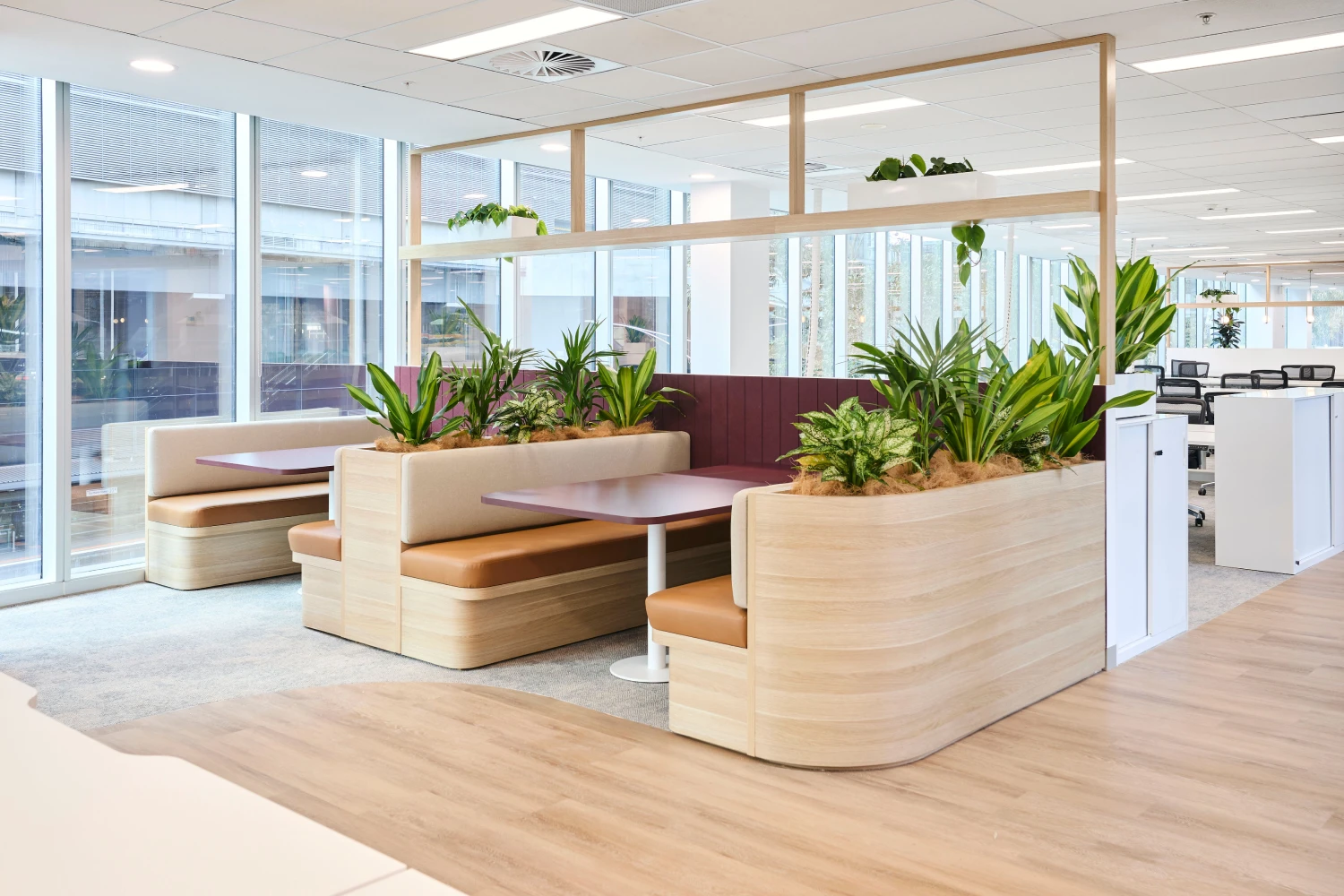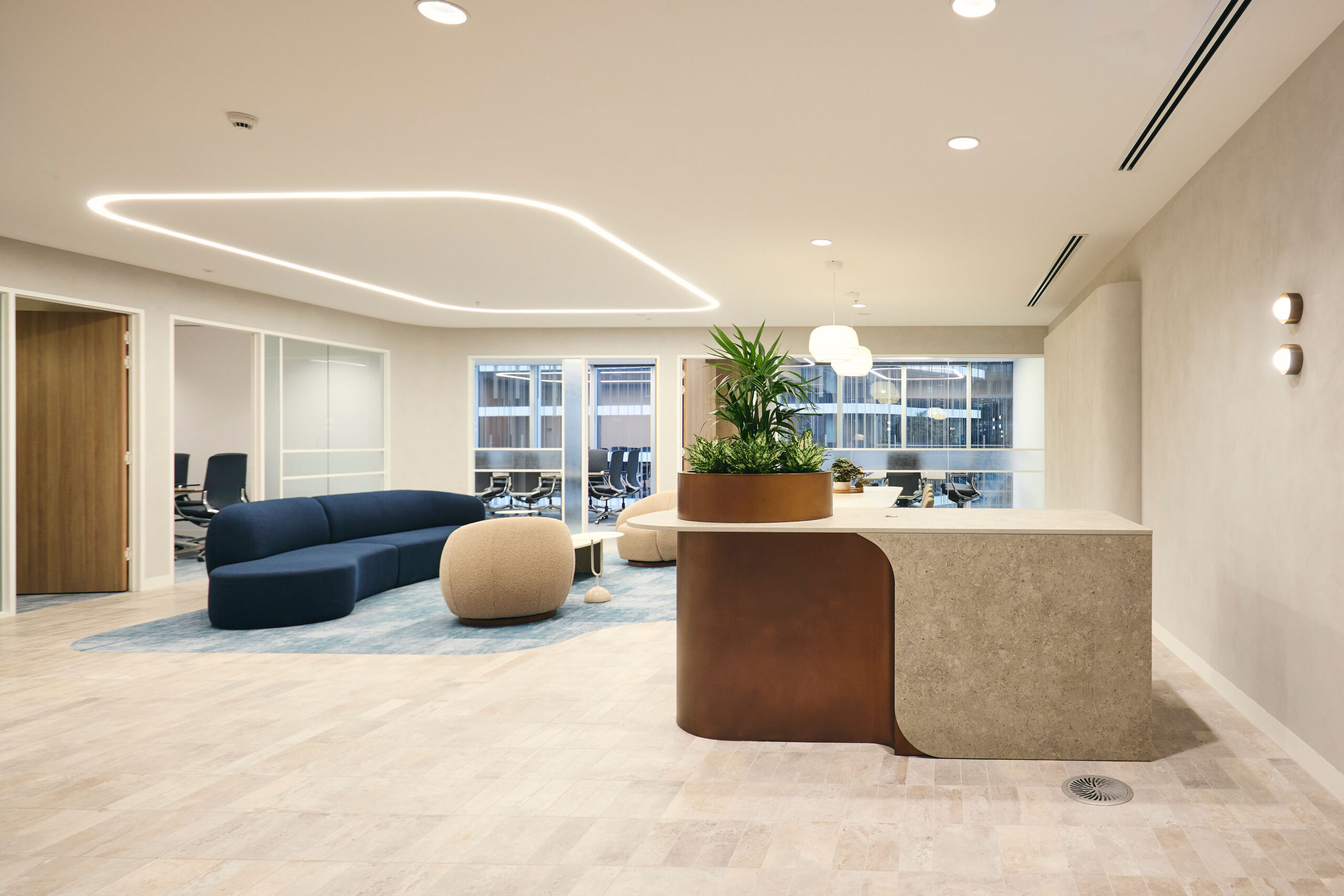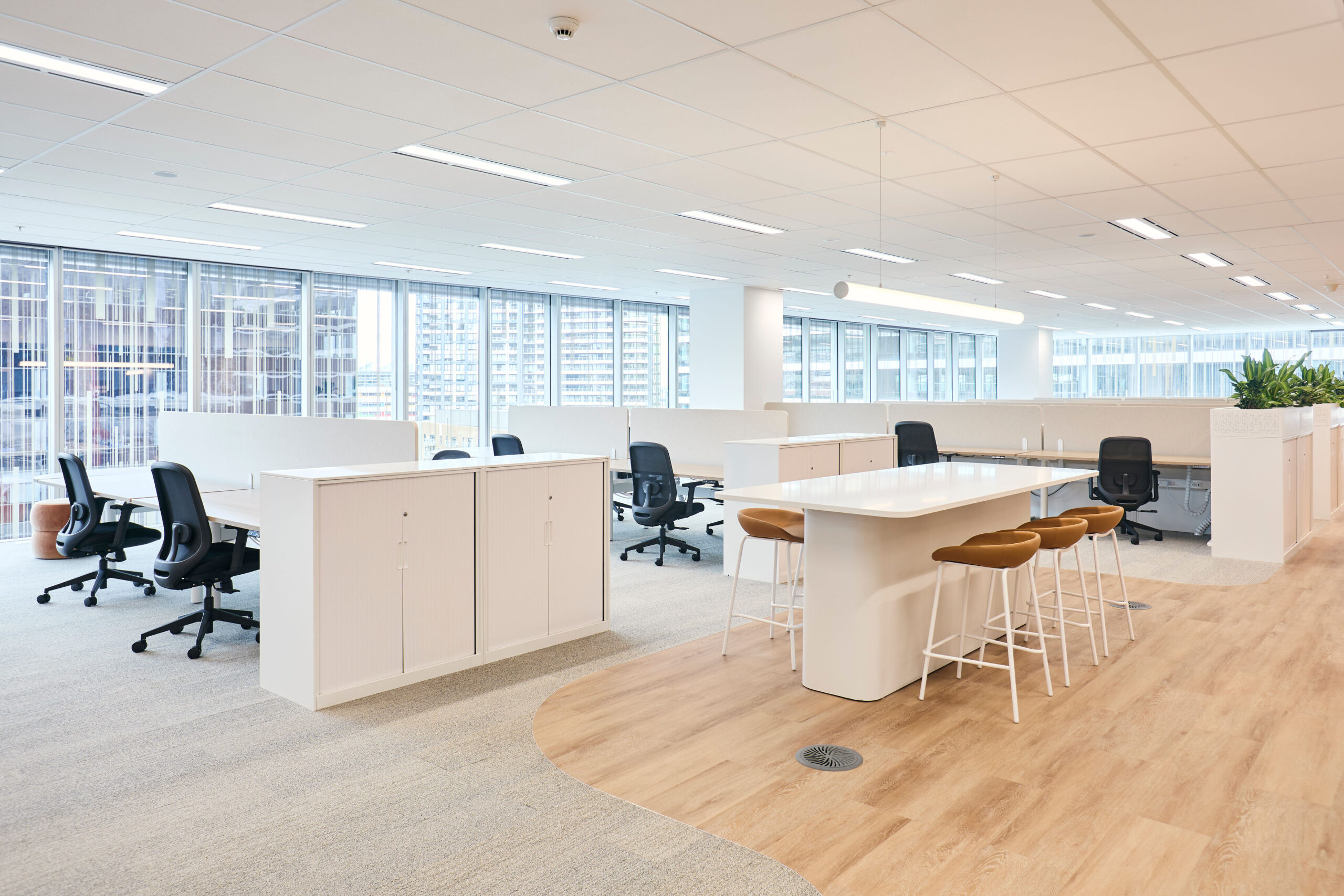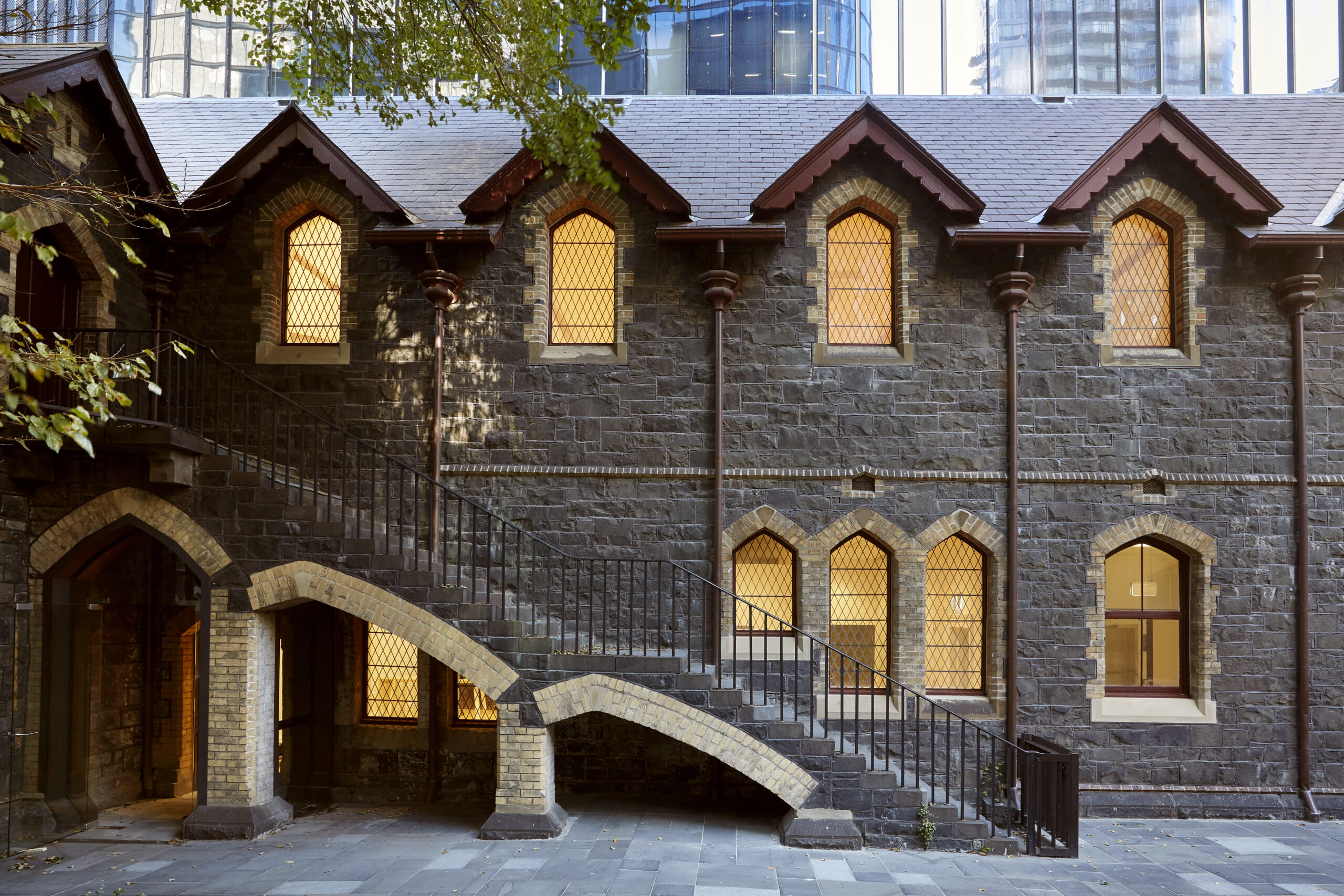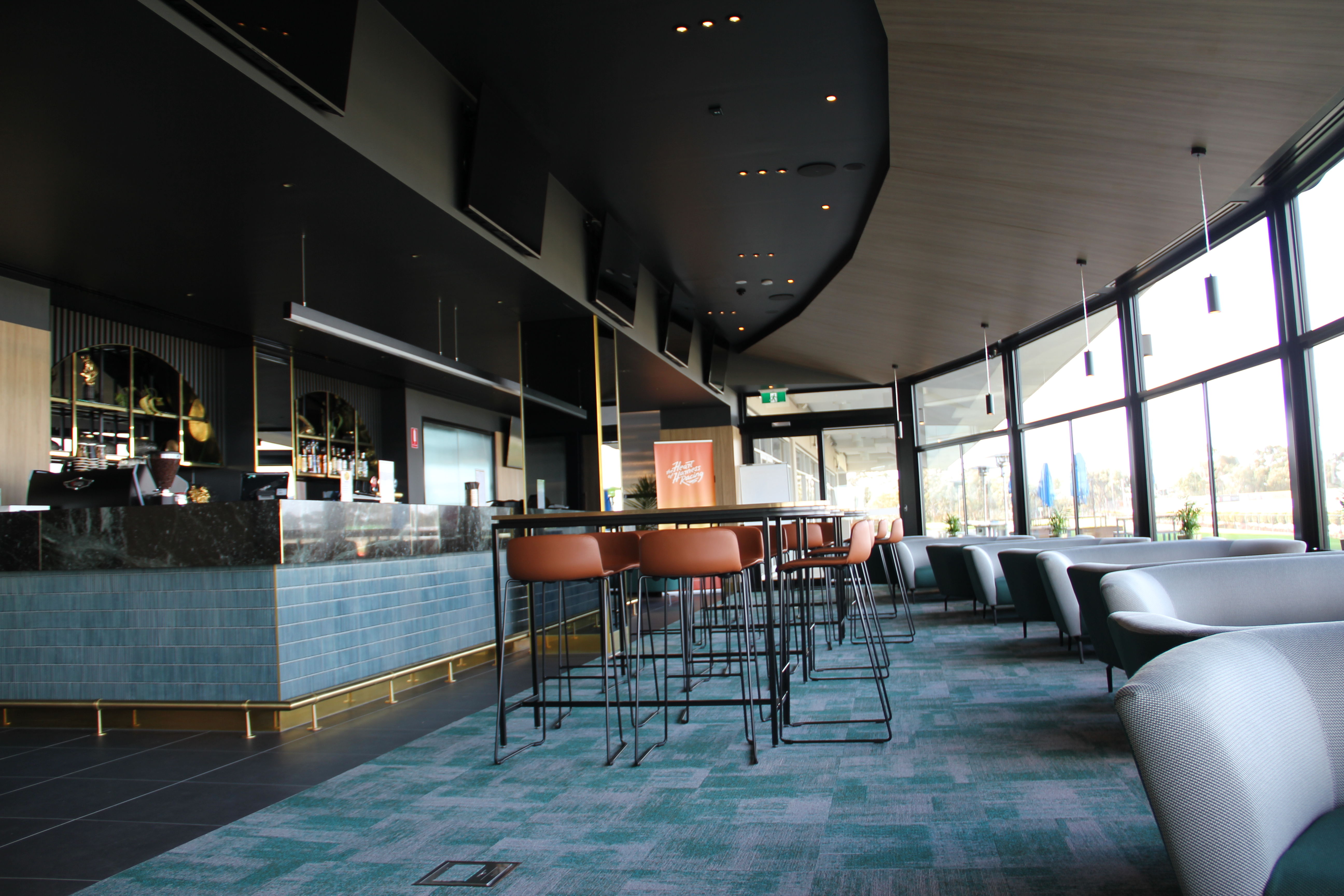
O’Neill’s Design & Construction supports technology and innovation-led organisations where the workplace needs to keep pace with change. Across Melbourne and Brisbane, we help teams plan workplaces that suit real utilisation, support different work modes, and remain practical to maintain in active buildings. This page is written from an industry standpoint, focused on the common workplace pressures technology businesses face and what typically matters most when planning a technology office environment. Technology workplaces tend to be dynamic. Headcount can move quickly, teams can reorganise, and the way people use space can shift with hybrid work patterns and project cycles. The best outcomes come from layouts that reduce friction day to day while allowing for future change, with planning that recognises tenancy constraints, base building requirements, and the realities of delivering works in live environments.
Technology teams often need a workplace that can evolve without starting from scratch each time the business shifts. Planning works best when it starts with how the organisation operates: how often teams meet, where focus work happens, how visitors are hosted, and what spaces are under pressure during peak periods.
Industry-led planning commonly considers:
This approach helps avoid common problems seen in tech workplaces, such as too few meeting rooms, oversized breakout areas that sit empty, or layouts that force collaboration noise through focus zones.
Contact Us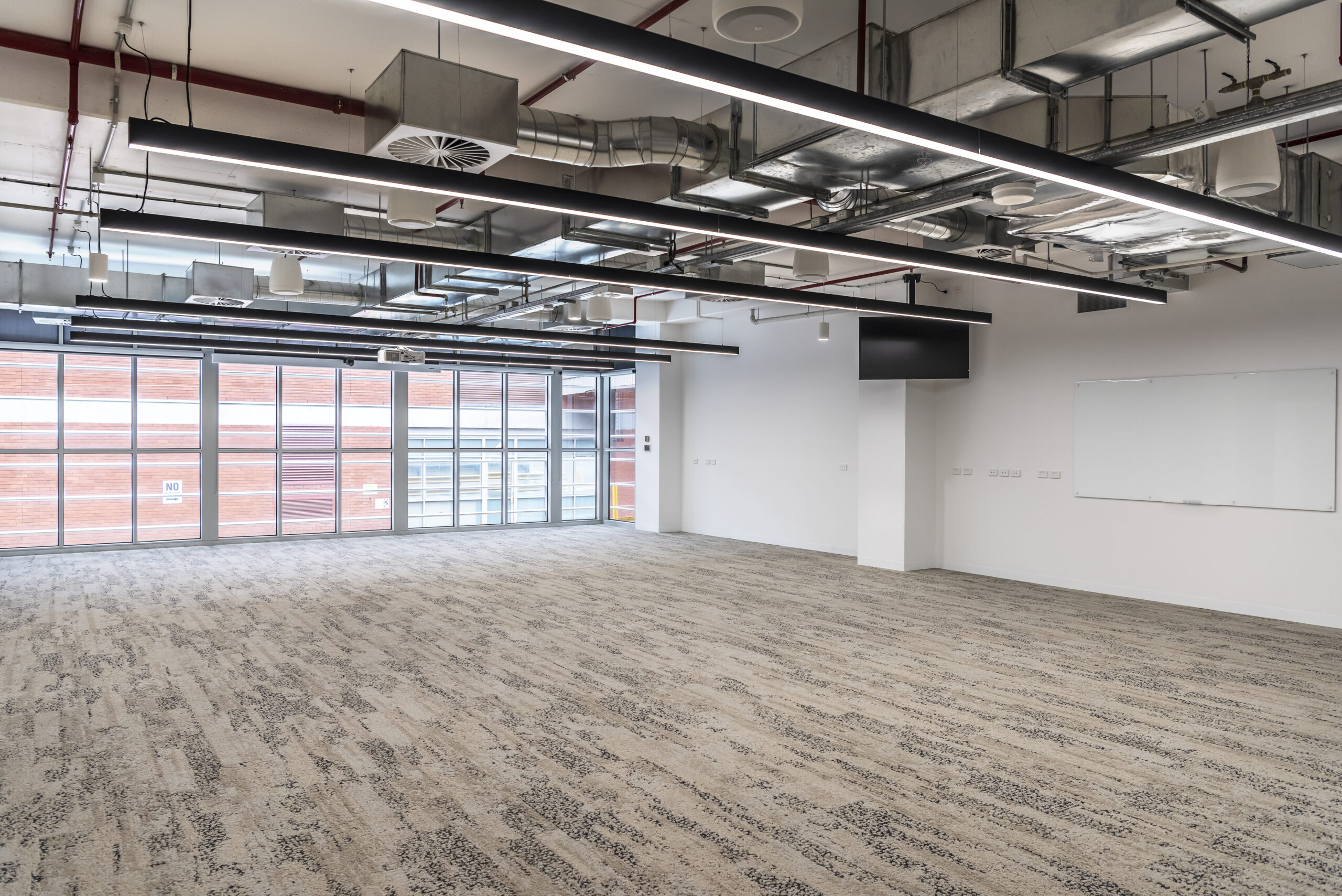
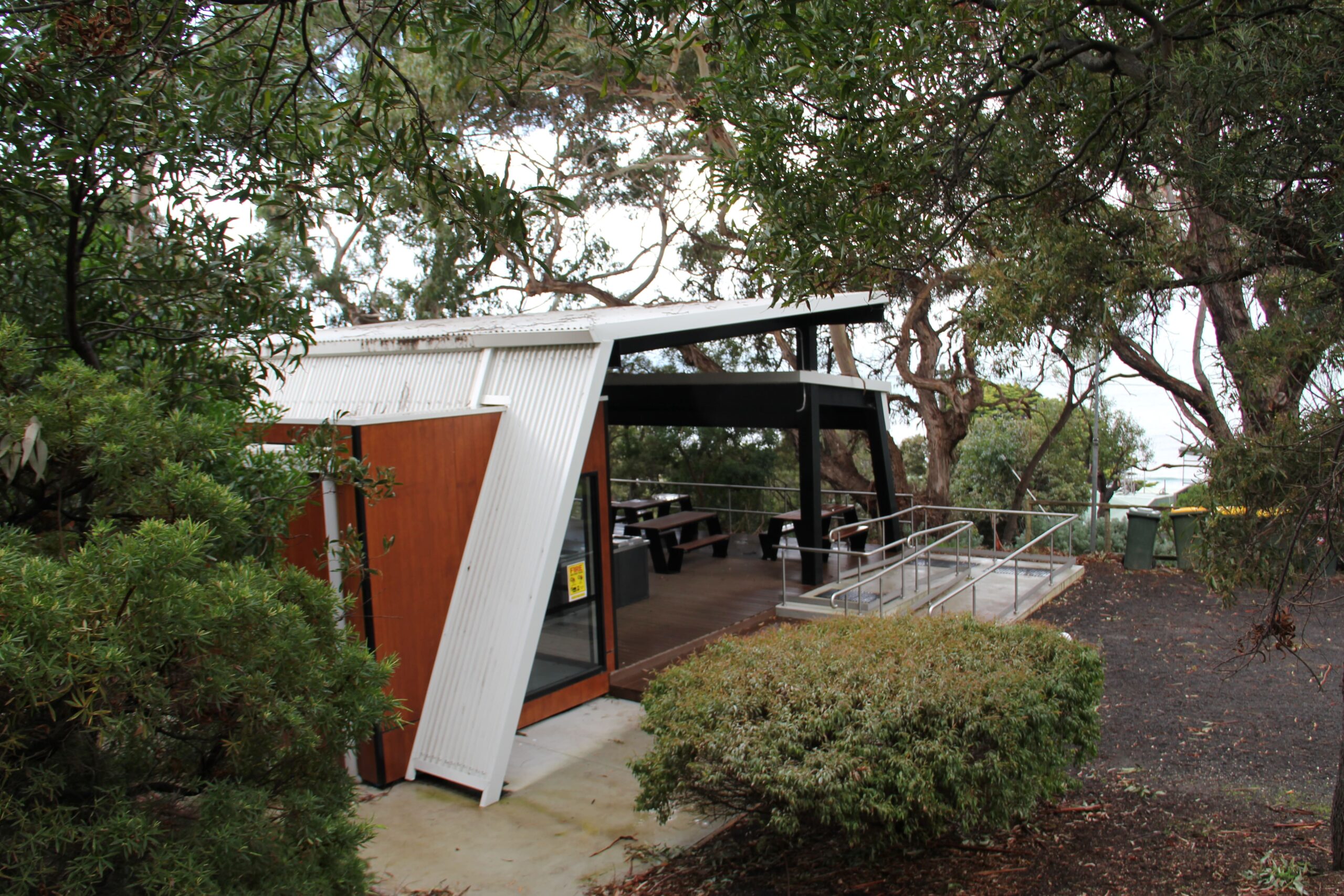
Most technology teams need both concentrated work time and fast collaboration. The workplace has to support quick stand-ups, project work, hybrid calls and informal problem-solving without turning the floor into a constant distraction. Common technology workplace requirements include:
Good planning focuses less on trends and more on what will work for the specific team and tenancy
Contact UsFor many technology businesses, the workplace plays a role in recruitment and retention as well as day-to-day operations. The space often needs to feel aligned to the company’s culture while still being practical to run. That typically means balancing presentation with durability, maintainability and sensible detailing. Industry-led considerations commonly include:
The goal is a workplace that feels credible and considered, without relying on aspirational features that don’t suit real usage.
Contact Us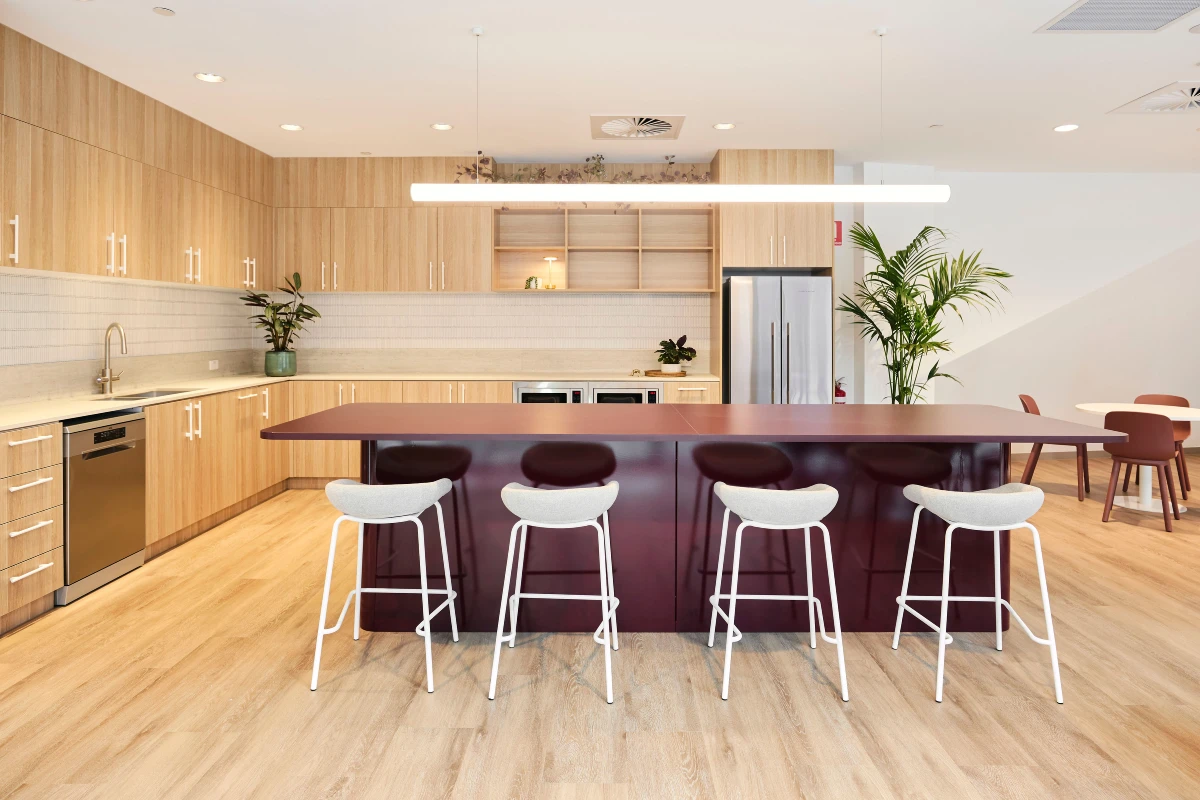
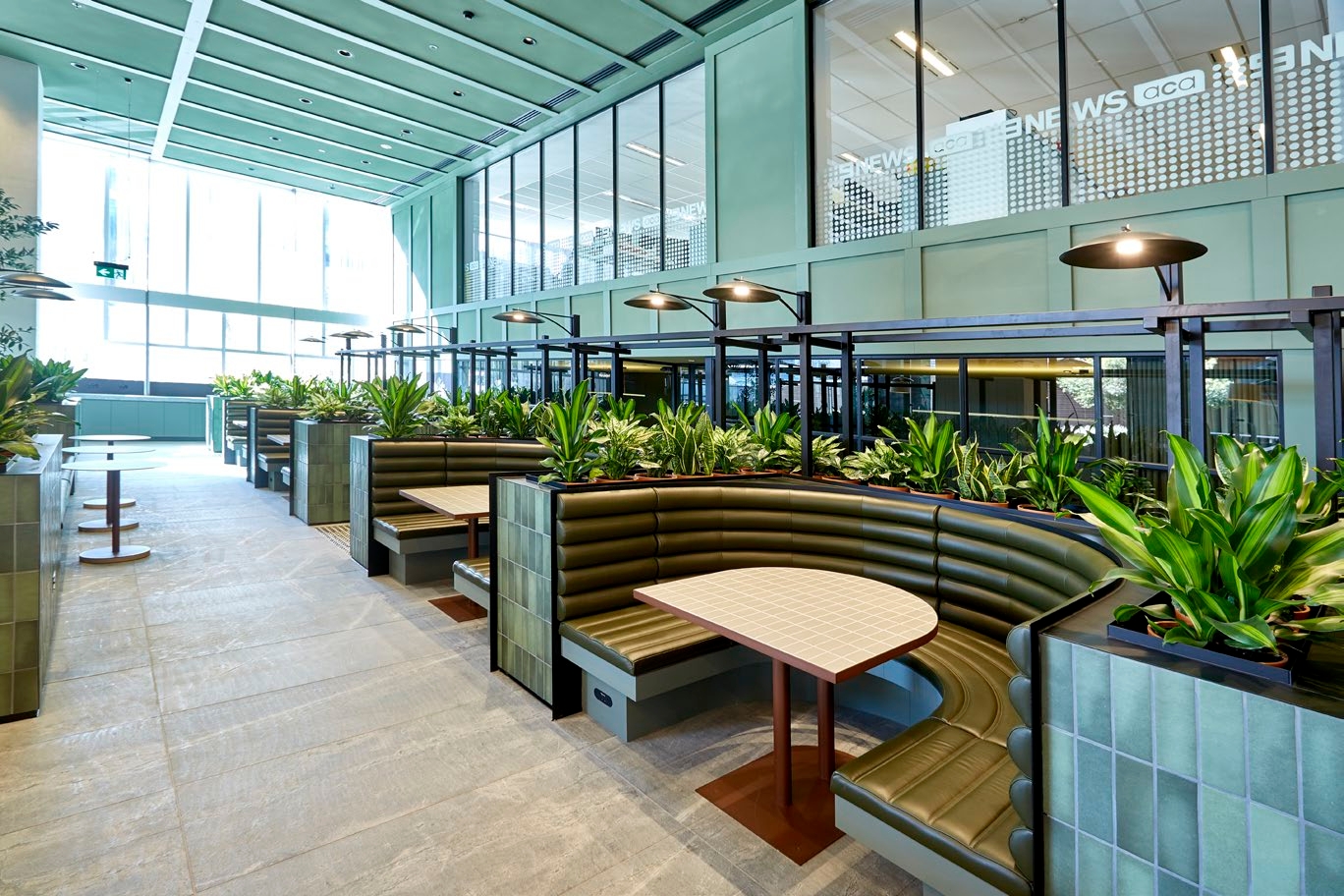
Technology offices are frequently located in commercial towers or multi-tenant buildings where the building itself influences what can be done and when. Access windows, lift bookings, loading dock logistics, approvals processes and shared services constraints can shape the programme and sequencing. Typical constraints that affect technology workplace projects include:
A realistic plan accounts for these constraints early so decisions remain buildable and the delivery pathway stays achievable.
Contact UsTechnology businesses often want flexibility, but “flexible” can be misinterpreted as adding more spaces than needed. In practice, flexibility is usually achieved through smart zoning, multipurpose settings and layout choices that can adapt without major rework. Practical flexibility considerations often include:
The objective is a workplace that can evolve sensibly over time.
Contact Us
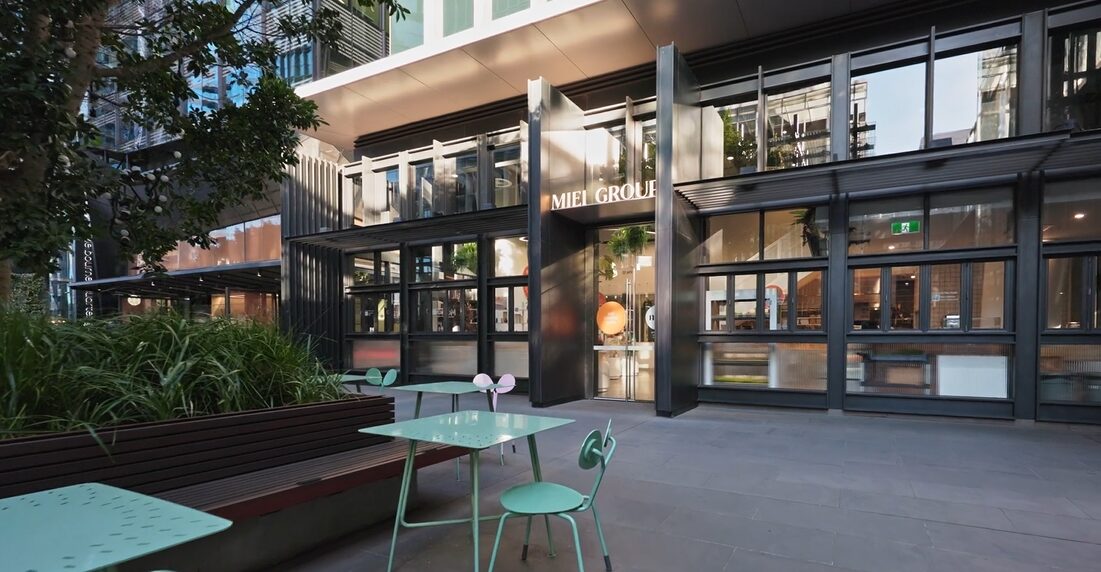
O’Neill’s supports technology and innovation workplaces across Melbourne and Brisbane. In this sector, the decision factors are typically confidence in delivery, practical coordination in live buildings, and a finished workplace that supports both focus work and collaboration. Our emphasis is on sensible planning that reflects real utilisation, and a pathway that respects tenancy constraints and stakeholder requirements.
Contact UsIf you’re planning a technology workplace in Melbourne or Brisbane, O’Neill’s can help you clarify utilisation needs, identify tenancy constraints early, and map a practical pathway forward. Contact our team to discuss your site, timing and workspace priorities, and we’ll outline suitable next steps.
Contact Us