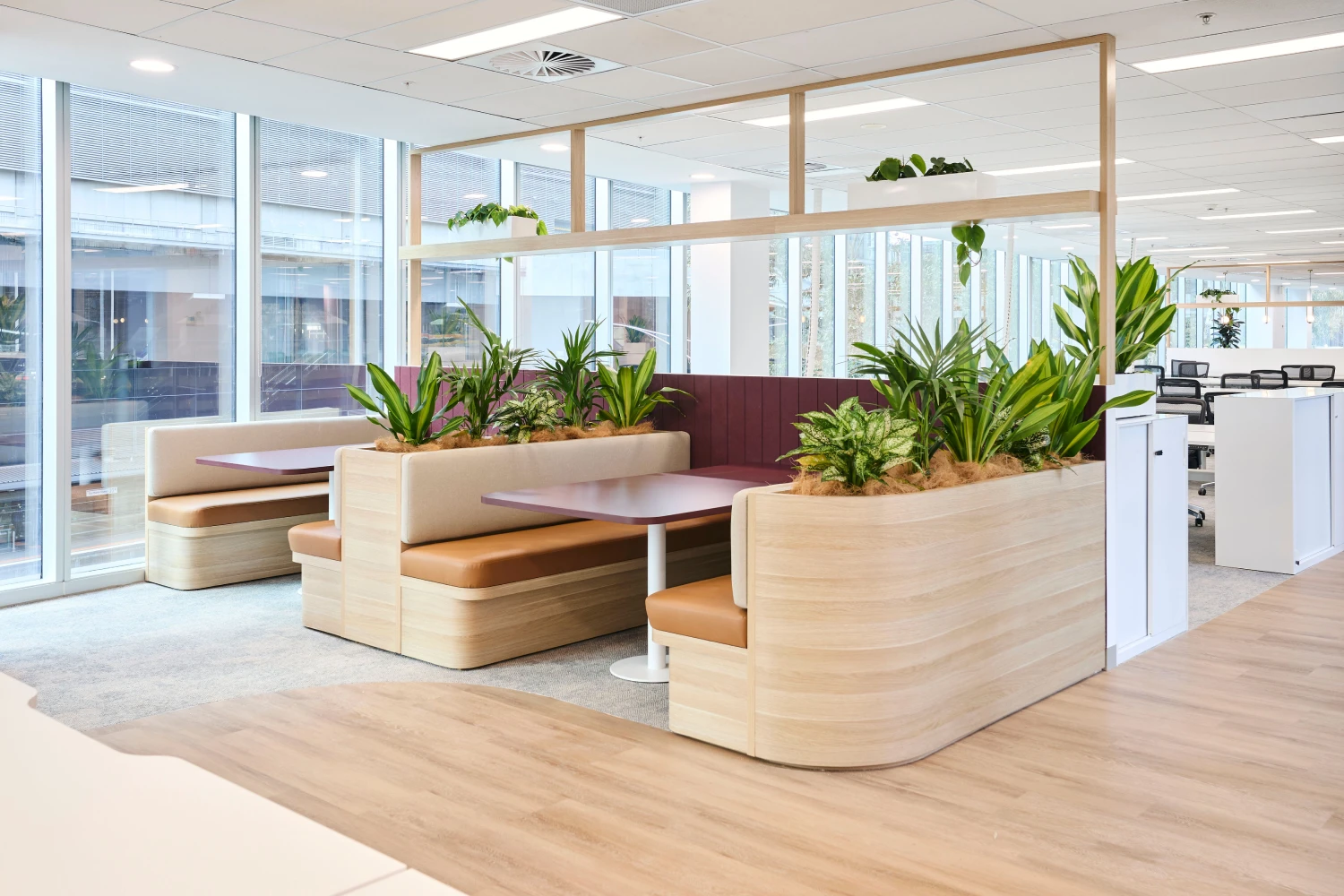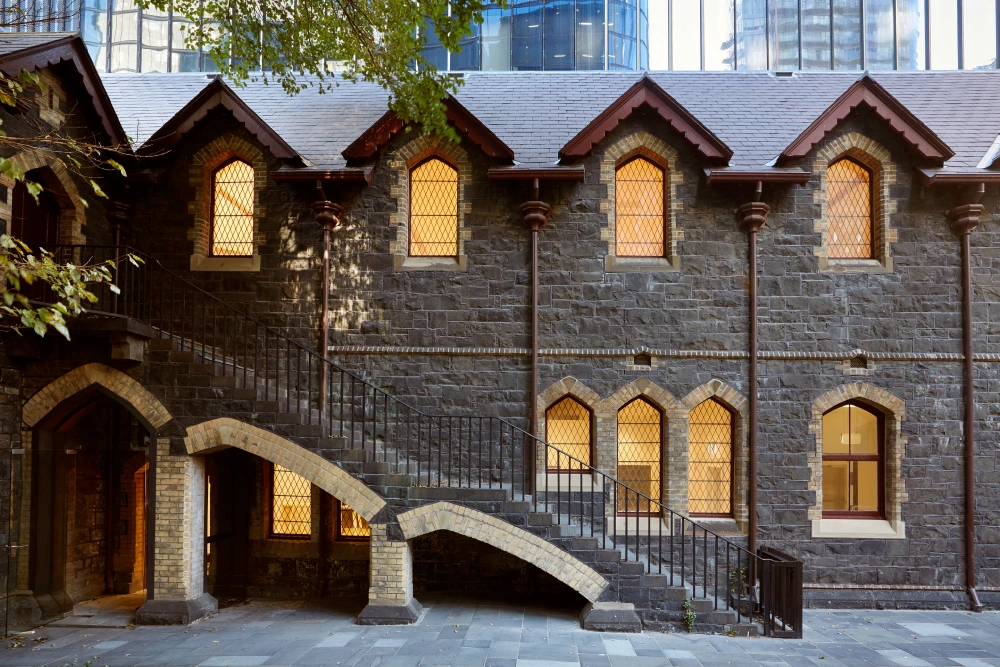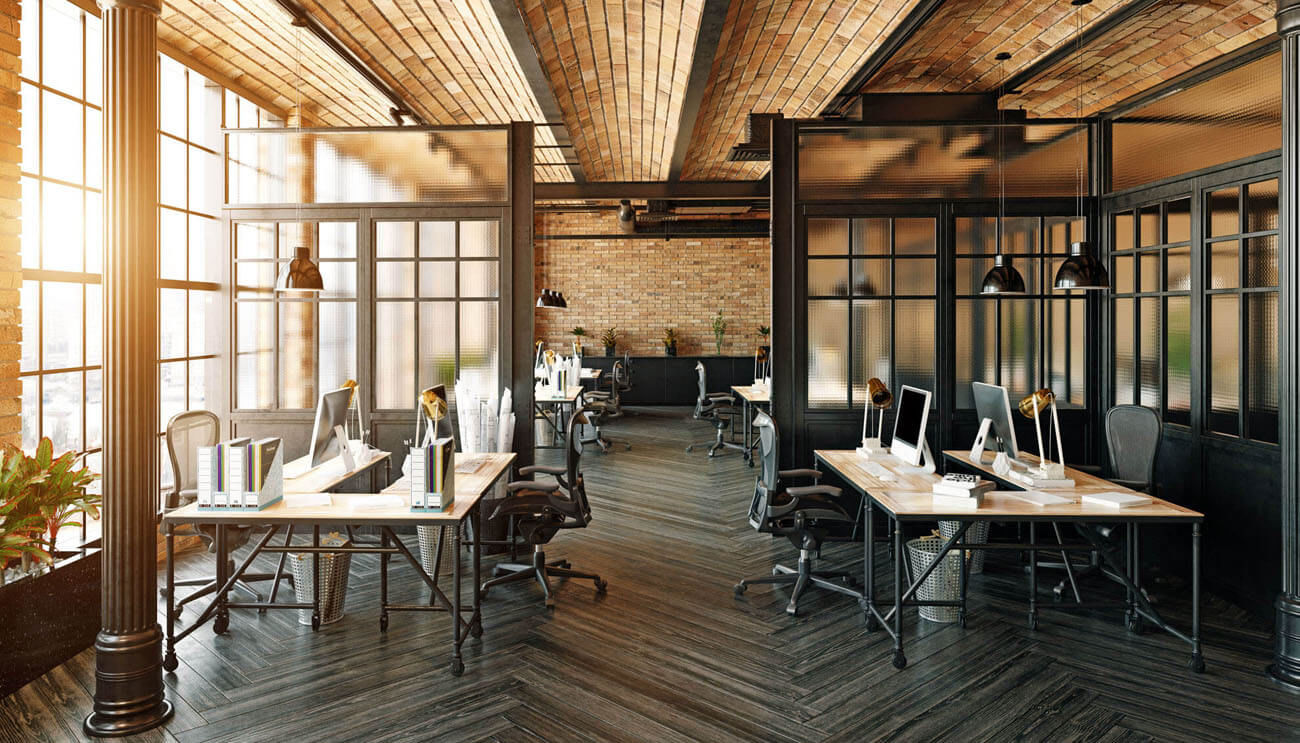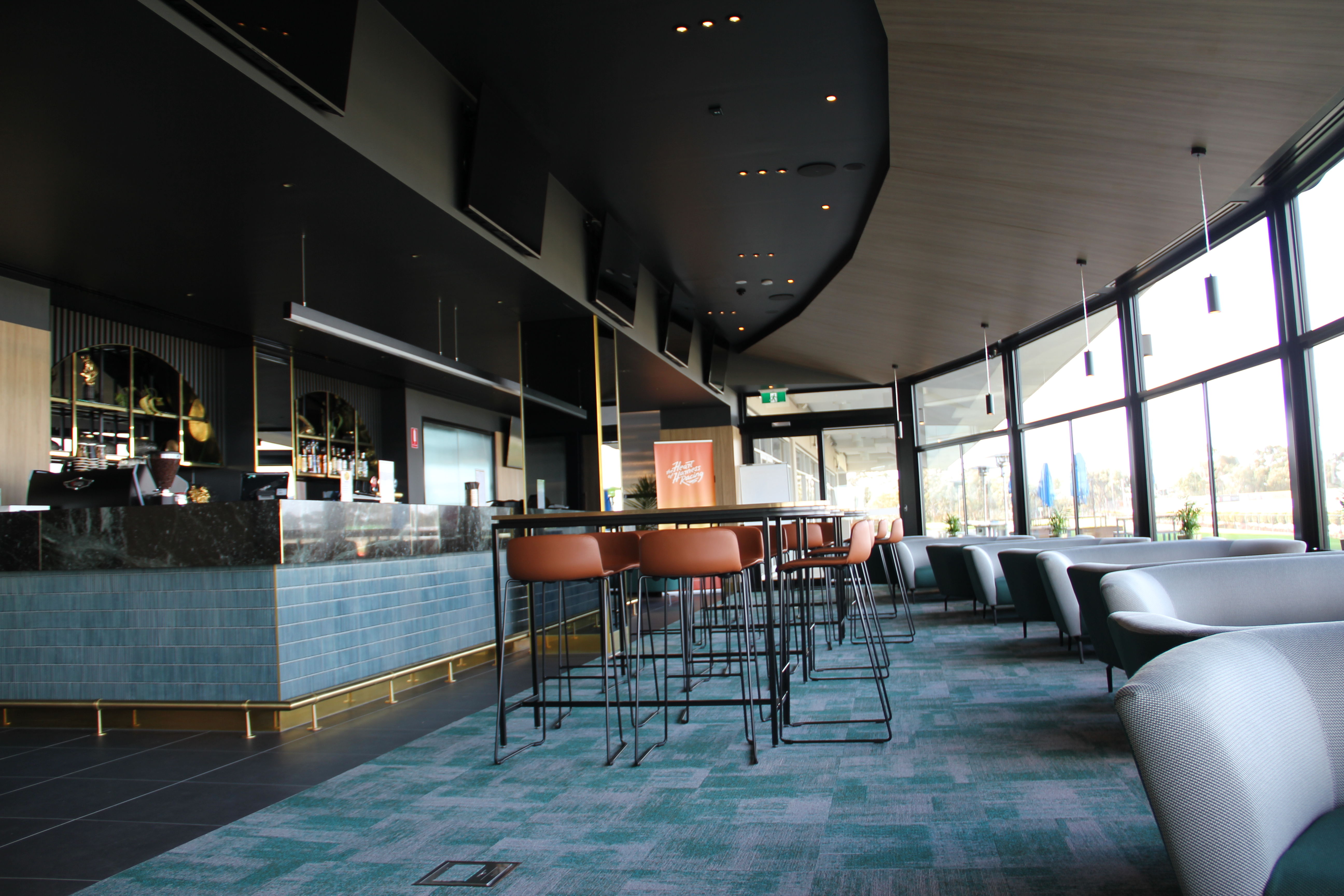
O’Neill’s Design & Construction supports hospitality venues where layout, service flow, and durability directly affect daily trade. Delivered from our Melbourne team with a Brisbane presence to support projects depending on scope, tenancy requirements and programme, we work with cafés, restaurants, bars and hospitality operators in environments where trading constraints, centre rules, and building management conditions shape what’s realistic. This page is written from an industry standpoint, focused on what hospitality venues typically need from a fitout or refurbishment to operate smoothly day to day. Hospitality spaces carry different pressures to a standard commercial tenancy. A small change to counter placement, pass-through width, queueing space or back-of-house storage can impact speed of service, staff movement and customer experience. At the same time, surfaces are heavily used and frequently cleaned, so durability and maintainability matter from the start. Many hospitality projects are also time-sensitive, tied to opening dates, lease milestones, or the need to refresh while limiting downtime. The strongest outcomes come from planning around real operations, then sequencing works in a way that respects access windows and site constraints.
A high-performing hospitality venue is designed around how people move through it. Customers need a clear journey from entry to ordering to seating to amenities. Staff need efficient paths between prep areas, the pass, the bar, POS points and tables. When that flow is wrong, the impact shows up immediately as bottlenecks, congestion and slower service.
Industry-led planning commonly considers:
This is where hospitality fitouts are won or lost. A venue that looks great but creates daily friction for staff will underperform compared to one that is planned around real service movement.
Contact Us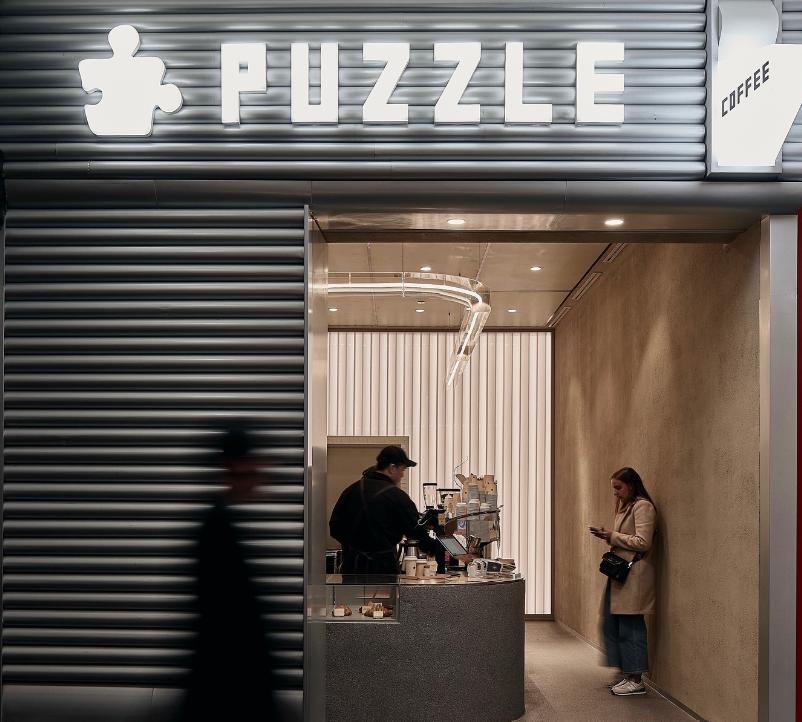
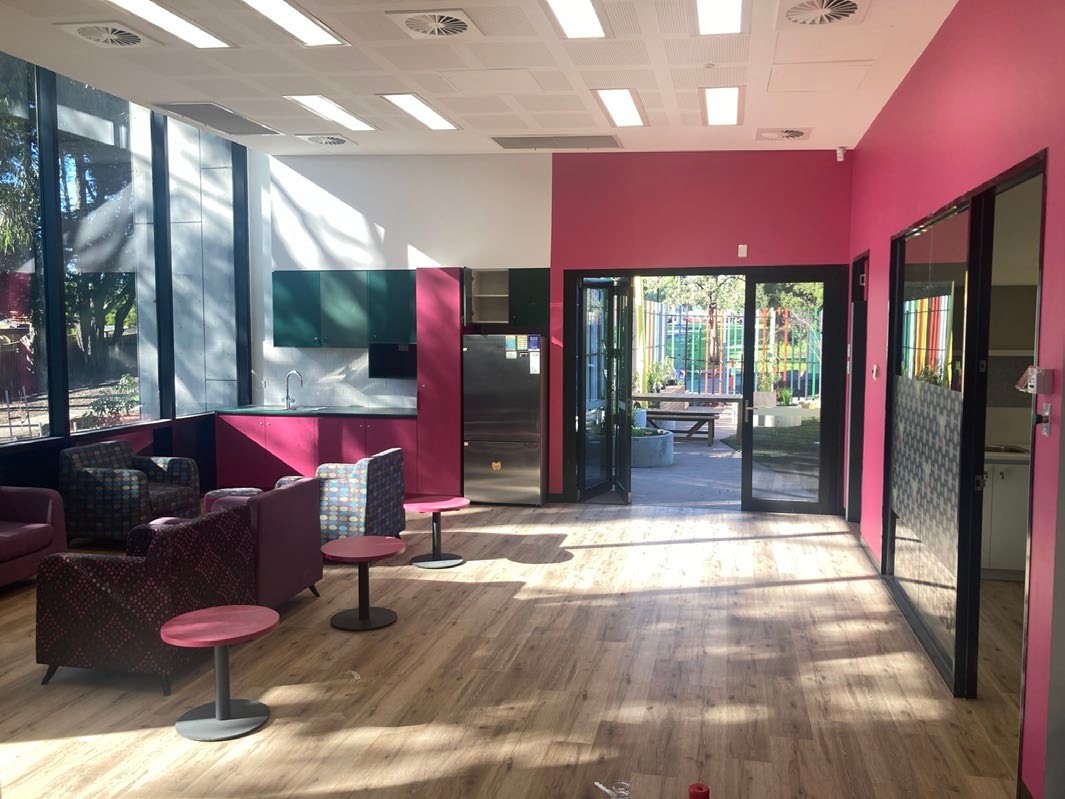
Hospitality works rarely happen in ideal conditions. Trading hours, noise limits, centre rules, delivery restrictions, loading dock logistics, and building management requirements all influence sequencing. In some cases, works need to occur outside customer hours. In others, the venue may close for a defined period and reopen fast. Either way, delivery planning needs to be realistic and site-led. Common hospitality project conditions include:
For hospitality operators, the difference between a smooth project and a stressful one often comes down to whether these constraints are identified early and planned into the programme.
Contact UsHospitality spaces are high-wear by nature. Floors, counters, joinery edges, splash zones, and high-touch surfaces take constant use. Cleaning is frequent and sometimes harsh. Fitout choices need to balance presentation with long-term performance, so the venue stays sharp well beyond opening week. Industry-led finish considerations often include:
The goal is a venue that remains functional, presentable and manageable for staff across real trade, not just a space that photographs well at completion.
Contact Us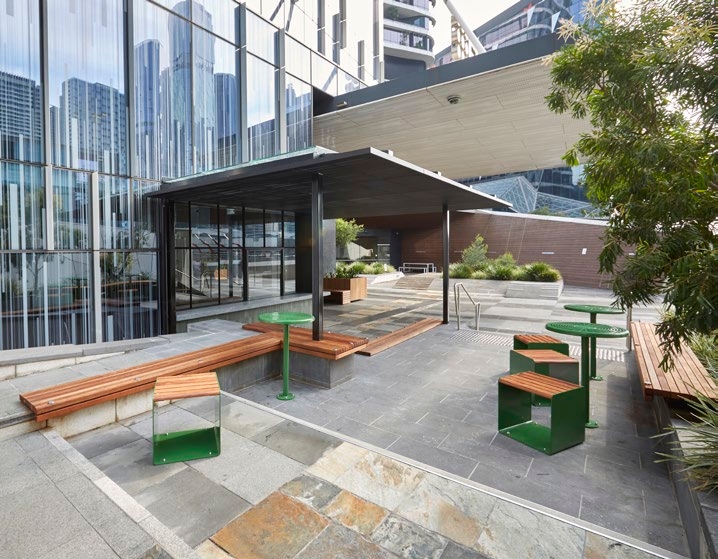
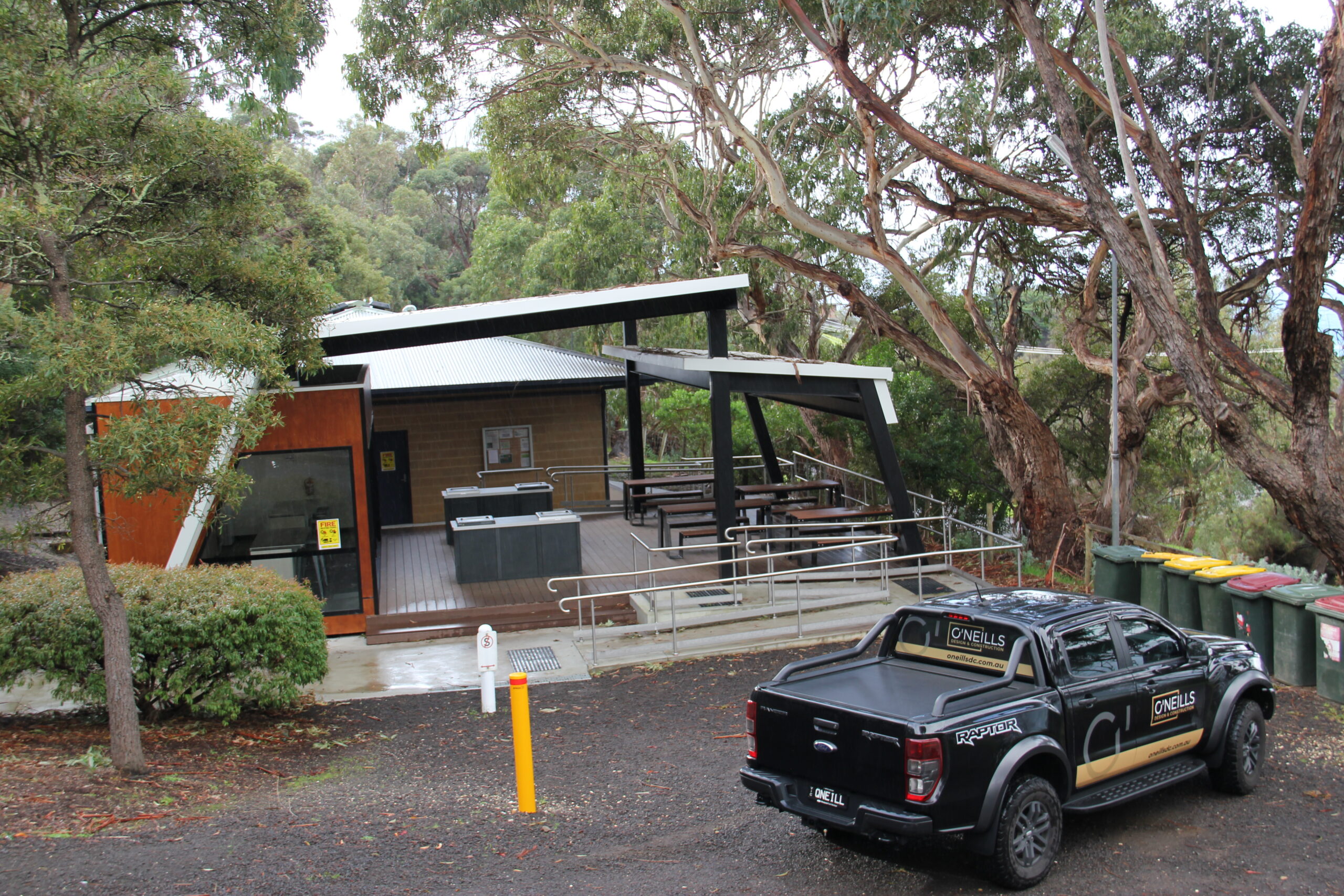
Hospitality venues succeed or struggle based on what happens behind the scenes. If storage is undersized, prep zones are cramped, or circulation paths conflict, service slows and stress increases. Back-of-house planning should support speed, cleanliness and staff efficiency. Operational planning commonly considers:
A strong fitout supports the whole venue, not just the customer-facing areas.
Contact UsO’Neill’s supports hospitality venues with a strong delivery footprint in Melbourne and a Brisbane presence to support projects depending on scope, tenancy requirements and programme. In hospitality, the key decision factors usually come down to service flow, durability, and realistic staging around access windows and trading constraints. Our focus is to keep planning practical, sequencing achievable, and communication clear so venues can open, operate and maintain their spaces with confidence.
If you’re planning a hospitality fitout or refurbishment in Melbourne or Brisbane, O’Neill’s can help you clarify site constraints early, plan around trading and access conditions, and map a practical pathway to delivery. Contact our team to discuss your venue, timing and operational needs, and we’ll outline suitable next steps for planning and staging.
Contact Us